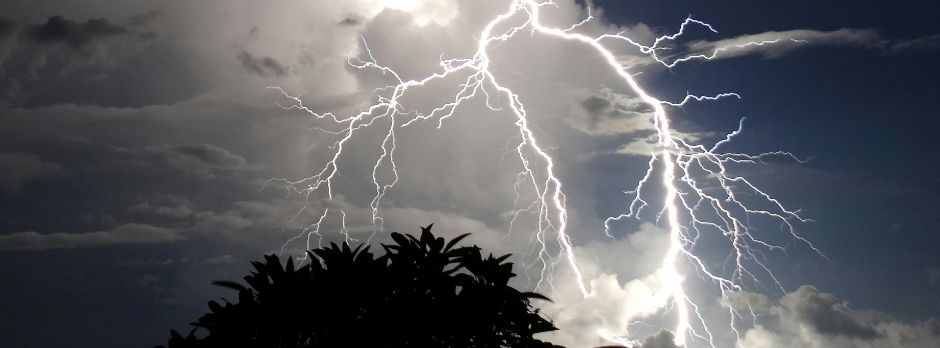
Summer in Australia brings more than just heat. Storms, flooding and power outages are common and for businesses that rely on refrigeration, even a short outage can create serious food safety risks.
For hospitality venues, aged care facilities, healthcare providers, schools and sporting clubs, safe food storage isn’t optional. It’s essential.
Here’s what you need to know and how to stay prepared.
Why Power Outages Are a Food Safety Risk
When the power goes out, refrigeration stops working. Without temperature control, bacteria can multiply quickly.
Food safety guidelines recommend:
- Refrigerated food should stay below 5°C
- Frozen food should remain at -15°C or below
If refrigeration temperatures rise above safe levels for too long, food may no longer be safe to use.
As a general guide:
- A fridge will usually keep food cold for up to 2 hours (if unopened)
- Between 2–4 hours, food should be used immediately
- After 4 hours, high-risk food should be discarded
In a commercial setting, these decisions carry financial and compliance consequences.
High-Risk Foods Need Extra Attention
Some foods become unsafe faster than others. These include:
- Raw meat and poultry
- Seafood
- Dairy products
- Cooked foods
- Ready-to-eat meals
These products support rapid bacterial growth when temperatures rise.
If you cannot confirm how long food has been above safe temperatures, the safest approach is simple: when in doubt, throw it out.

Preparation Is Your Best Protection
Power outages can’t always be prevented but their impact can be reduced.
Businesses should:
- Keep fridge and freezer doors closed during outages
- Use calibrated thermometers to monitor temperatures
- Have clear discard procedures for high-risk food
- Maintain accurate cleaning and hygiene records
- Ensure staff understand emergency food safety protocols
Since 2024 in Queensland, cleaning and sanitising records are a legal requirement. Documentation is now more important than ever.
Preparation protects not only food, but also your reputation.
Preventative Hygiene Plays a Critical Role
During and after a power outage, the risk isn’t just temperature-related. Moisture, condensation and rising internal temperatures can also contribute to mould growth and bacterial contamination within:
- Coolrooms
- Refrigeration seals
- Air handling systems
- Ice machines
- Exhaust and ventilation systems
If these areas aren’t properly maintained, contamination can spread even after power is restored.
This is where preventative hygiene becomes essential. Jaymak’s ISO-certified and HACCP-aligned services focus on the areas that aren’t visible but the behind-the-scenes equipment and systems that support safe food storage.
Regular preventative cleaning helps:
- Reduce microbial build-up
- Maintain airflow efficiency
- Support compliance requirements
- Protect equipment longevity
- Strengthen audit readiness

Summer Is the Time to Review Your Systems
Power outages are becoming more common. Businesses that prepare now are better protected later.
Ask yourself:
- When was your last coolroom clean?
- Are your hygiene records audit-ready?
- Is your ventilation system free from mould and debris?
- Would your team know what to do during a prolonged outage?
Preventative maintenance is not just about cleanliness. It’s about risk management.
Stay Safe. Stay Compliant. Stay Prepared.
Summer conditions are unpredictable but your hygiene systems shouldn’t be.
Jaymak works with businesses across healthcare, aged care, hospitality, education and manufacturing to deliver documented, preventative hygiene solutions that support compliance and protect food safety year-round.
If you’d like to review your current maintenance schedule or prepare your site for summer risks, speak with your local Jaymak team today.
Because when it comes to food safety, preparation makes all the difference.
Comments are closed.